
Books we love at VitaVi Publishing
In his book On Writing, Stephen King—American author of all things horror, suspense, crime, science-fiction, supernatural and fantasy—states: “If you don't have time to read, you don't have the time (or the tools) to write. Simple as that.”
This page is dedicated to just a fraction of the books that have inspired our authors at VitaVi Publishing over the years.
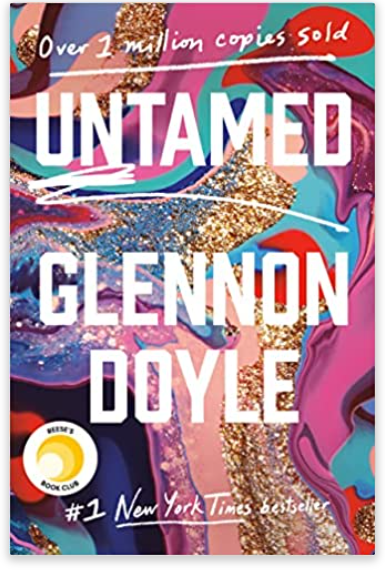
Review by Fenella Buchanan. Untamed is the memoir of bestselling author and activist Glennon Dolye in which she describes the experience of finding her “knowing” — her inner voice — and learning to trust it. She relies on this knowing as a guide through her journey from being caged by society’s expectations of women to living a truer and more beautiful life on her own terms. This wonderful book explores gender, sexuality, religion, and race while it unpacks the self-work of acknowledging anger and heartbreak, making peace with one’s body image and finding the strength to set boundaries. My experience with this awesome book is that it changed my life.
As is often the case with such things, it came onto my radar when I needed its life lessons the most. It helped me find the courage to live with less fear and more authenticity. I constantly recommend it to my friends , all of whom have found it similarly inspirational.
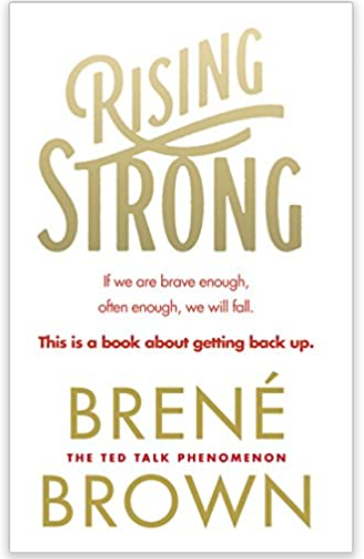
Review by Fenella Buchanan. Social scientist Brené Brown’s book Rising Strong is another one of my life changing reads. Further to her work on vulnerability, which she claims is the only path to more love, belonging, creativity and joy, Brown writes in this book about the process of rising strong after the inevitable falls that come with the bravery of living vulnerably. She finds in her research that people who rise strong share a common tendency to recognise the power of emotion and lean into the discomfort of their stories until they get to a place of truth. She breaks down this journey into the "reckoning" (with emotion), the "rumble" (to get to the truth of what’s going on) and the "revolution" (owning our stories and rewriting them in accordance with what we’ve learned).
Reading this theory in all its warm, relatable glory spurred life changing decisions for me; that are still in play today. I also took away from it the importance of teaching our children our own stories and how to reckon, rumble and revolt at their own narratives as they grow.
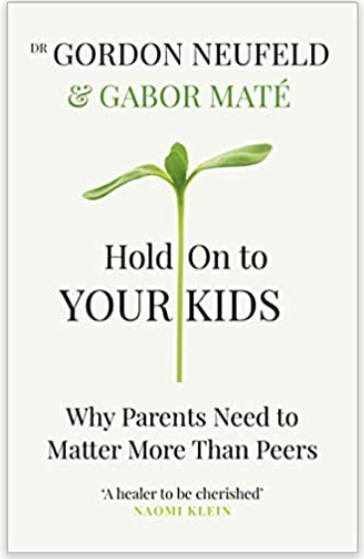
Review by Fenella Buchanan. From positions of authority in childhood development, Doctors Gordon Neufeld and Gabor Maté take credit for this brilliant book; Hold On to YOUR KIDS. It highlights a troubling trend in western societies called “peer orientation”. Increasingly children look to their friends for guidance in developing values and codes of behaviour that form their identities. Against the cultural backdrop of a society in which community is breaking down and social media poses insurmountable challenges to mental wellbeing; parental influence has become undermined. Attachment bonds between children and their primary caregivers are under threat. Doctors Neufeld and Maté are wary of the damage an increasingly peer-oriented culture can cause to a child's emotional development, their familial relationships and of course to society at large.
As a parent, I found this book initially alarming, I also took comfort from its accessible and ultimately optimistic tone. It addresses ways in which parents can reattach with their children to make them feel safe and understood in the home and in their communitites. A must read for any parent!
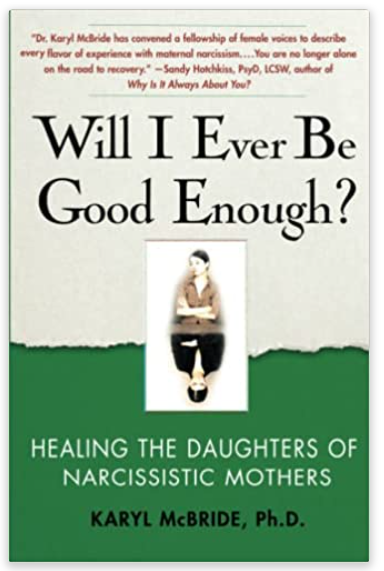
Review by Penelope Canon. Dr Karyl McBride’s book, Will I Ever Be Good Enough, was recommended by a friend as “the only book you ever need to read about narcissistic mothers”. I similarly recommend it to friends seeking to understand their own experiences. Narcissism is a complex and nuanced disorder. In her warmly written book, Dr McBride takes her reader through the stages of recognising the narcissistic mother, understanding their effect and healing from the damage they can cause. My main experience of reading this eloquent and well-informed book was that of a creeping sense of calm. I began to see my childhood for what it was and to fathom how it affected my life into adulthood.
I became less frightened and confused by the notion that my own childhood was affected by narcissism and began to find some understanding and forgiveness. I also began to see myself as less of a victim and more of a peacefully, healing survivor more able to set and uphold healthy boundaries than I'd ever been before.
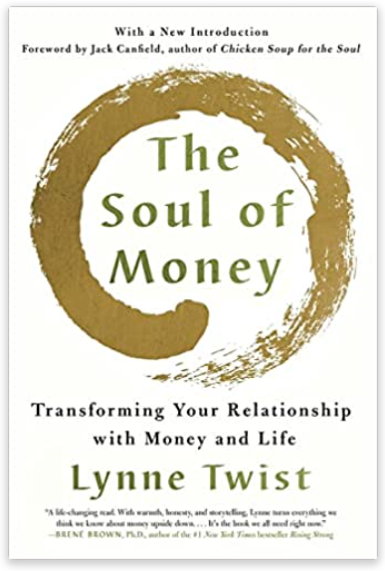
Review by Penelope Canon. This fascinating book — The Soul of Money by Lynne Twist — examines attitudes towards money through the way it is earned, spent and given away. The writer shares her own journey in relationship with money and offers interesting insights into how her values and the meaning of prosperity changed for her over time. She invites her reader to do the same — to look at our relationship to money and how we use it so we can then assess our own values and ultimately align the way we use money with them. She also promotes the idea of employing an abundance mindset in favour of a scarcity mindset, which causes us to make fear-based decisions that will often compromise our values.
Fair warning, I was not prepared for some of the heart-wrenching stories Twist tells to drive home some of the values in this book, but in a good way, they were hugely impactful.
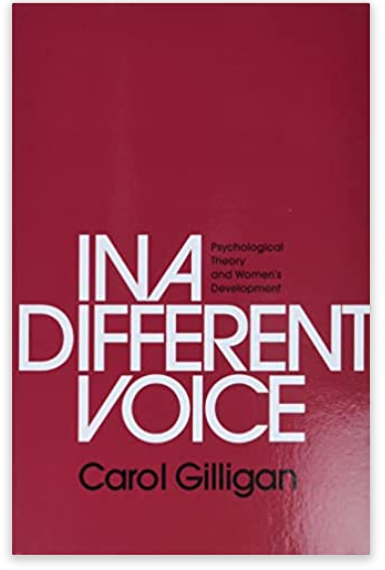
Review by Penelope Canon. Harvard University Press called professor Carol Gilligan’s book, In a Different Voice, "the little book that started a revolution". Not without controversy, this book was first published in 1982 and sought to make women's voices really heard for the first time. Gilligan believed that women had been consistently misunderstood and so attempted to expose the reality of key drivers in the psychological development of girls and women. Gilliagn felt that previous psychological theories in this area tended to show a distinctively male bias, pointing out that research questions posed to both boys and girls would follow a principled framework more suited to boys. She felt girls' morality would be better measured using a more relational framework.
What I took away from this book was a clearer realisation of something I vaguely knew — the extent to which the personal and cultural development of girls and women has been influenced by the patriarchy and the impact of this across both genders. This book reminded me how important it is to educate myself on what it means to be human and more importantly, what it means to identify as a woman.